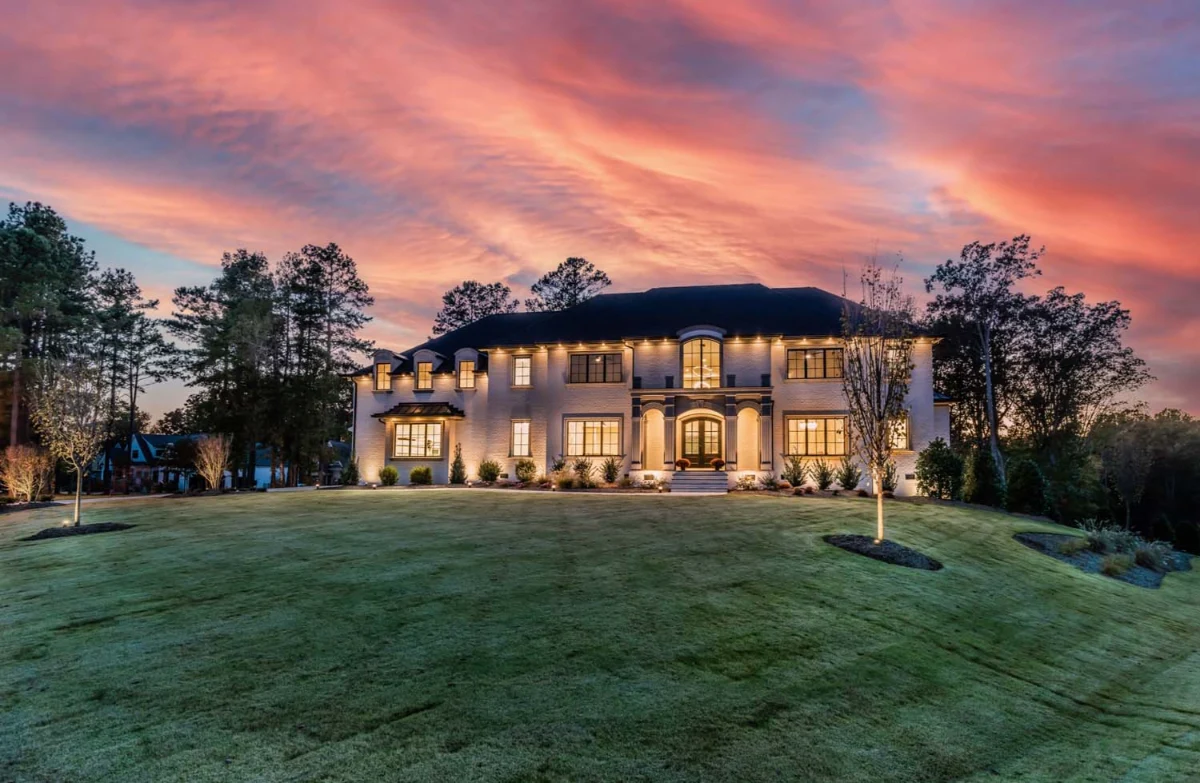
You have a vision of the perfect home, but before we can pour the foundation, we have to secure the dirt. For many of our clients in the greater Raleigh area, finding the land feels like the most exciting part of the process, until they sit down with a lender.
Unlike buying an existing home, acquiring land for a custom build involves an intricate intersection of zoning laws, soil science, and financing structures. It is the first major line item in your construction budget.
At Hafsa Building Group Co., we believe transparency starts before the contract is signed. We see too many future homeowners paralyzed by the financing “how-to” or, worse, purchasing a lot that eats up their budget with hidden site preparation costs.
We’ll help you bridge the gap from “looking at land” to “securing your homesite,” helping you evaluate your financing options and understand the real economic blueprint of building in North Carolina.
Raw Land vs. Improved Lots
When evaluating potential sites in communities like Wake Forest, Clayton, or Apex, you are generally looking at two categories of property: Raw Land and Improved Lots.
The distinction fundamentally dictates your down payment and your immediate cash flow.
Raw Land
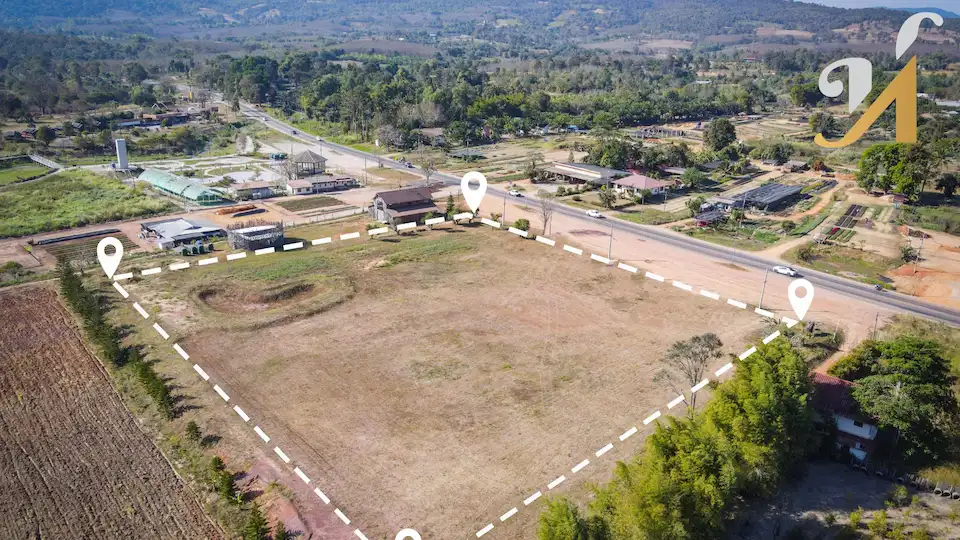
This is property with no utilities, no cleared areas, and often no road access. It represents a blank slate but carries higher risk for lenders.
- Financing Reality: Because the collateral is less liquid, lenders typically require a 30–50% down payment.
- The Hidden Cost: You are responsible for bringing infrastructure to the site. In Wake County, this means percolation tests for septic, well drilling, and running electric lines.
Improved Lots
These are “shovel-ready” sites, often in a subdivision or a developed area where utilities (water, sewer, electric) are already at the street or on the property.
- Financing Reality: Lenders view this as lower risk. You can often secure financing with 10–20% down.
- The Benefit: While the purchase price is higher, the site preparation costs are significantly lower, offering more predictability for your overall budget.
If you are currently comparing options, buying land requires looking beyond the price tag to calculate the “all-in” cost of making that land buildable.
Budgeting for Wake County
One of the most common questions we get is, “How much should I set aside for permits and prep?” Most online guides give you vague estimates in the thousands. We prefer exact numbers because they allow you to make confident decisions.
In Wake County, the fees are specific and public, yet rarely discussed during the initial property tour.
1. The Perc Test and Septic Reality
If your land requires a septic system, you cannot build without a passing percolation (perc) test. Do not rely on a test from 10 years ago.
- Site Visit Fee: A standard site visit by a Wake County official costs $200.
- Soil Evaluation: A full soil evaluation often requires a licensed soil scientist, costing upwards of $500 to $1,500 depending on acreage and complexity.
- Permit Validity: If you find a lot with an existing Improvement Permit (IP) or Construction Authorization (CA), check the date. Renewals are valid for 5 years but cost $800 to update.
2. Building Permit Fees
When we calculate the cost to build a house, we have to factor in the City of Raleigh or Wake County fees. As of the FY26 Development Fee Guide, residential permit fees are structured as:
- Base Fee: $75 flat rate.
- Square Footage Fee: $0.25 per square foot of gross floor area.
Example: For a 3,500 sq. ft. custom home, your base permit fee is $75 + ($0.25 × 3,500) = $950. This excludes impact fees and trade-specific permits (electrical, plumbing, mechanical), but it gives you a baseline for your soft costs.
Understanding the Types of Loan Structures
Once you have identified a viable lot, you have to pay for it. Unless you are paying cash, you generally have two paths. Your choice depends heavily on your construction timeline.
Path A: The Lot Loan
If you found the perfect view in Chapel Hill but aren’t ready to build for another 12–24 months, a Lot Loan is your holding pattern.
- Pros: Secures the property immediately.
- Cons: Higher interest rates (usually variable) and higher down payment requirements. It does not fund the house, meaning you will have to refinance and close again later.
Path B: Construction-to-Permanent (CP) Loan
This is the preferred vehicle for most custom builds starting within 12 months. It bundles the land purchase and the construction costs into a single loan.
- Single-Close: You close once, pay one set of closing costs, and the rate typically converts to a standard mortgage once the home is complete.
- Interest-Only Payments: During the build, you only pay interest on the amount drawn to pay Hafsa Building Group Co. for completed milestones.
For many of our clients, the CP loan is the most efficient route, but it requires having your builder and plans selected earlier in the process. We can help guide you toward lenders who handle custom build mortgages to make sure the terms align with our contract model.
Legal & Zoning Hazards in NC
Financing is only one hurdle, while legality is the other. North Carolina land laws have nuances that can render a beautiful lot unbuildable.
Before making an offer, we recommend a home site consultation to review:
- Restrictive Covenants: Does the neighborhood HOA forbid the architectural style you want?
- Easements: Is there a utility line running through the middle of the only flat spot on the property?
- Zoning Setbacks: Recent zoning ordinance revisions 2025 in certain municipalities may have changed how close to the property line you can build.
Securing Your Future Homesite
The difference between a stressful build and a seamless one often begins with the land purchase. By understanding the financing structures, specifically the transition from lot loans to construction financing, and anticipating the Wake County specific costs, you are already ahead of 90% of buyers.
At Hafsa Building Group Co., we operate on transparency. We want you to own the land that fits your budget and your dream, without the surprise fees.
If you are currently evaluating a lot in the Raleigh area, let’s verify your assumptions before you sign.
Schedule a Project Consultation with our team today to review your land options and preliminary budget.