
Choosing a Homesite
Choosing a Homesite
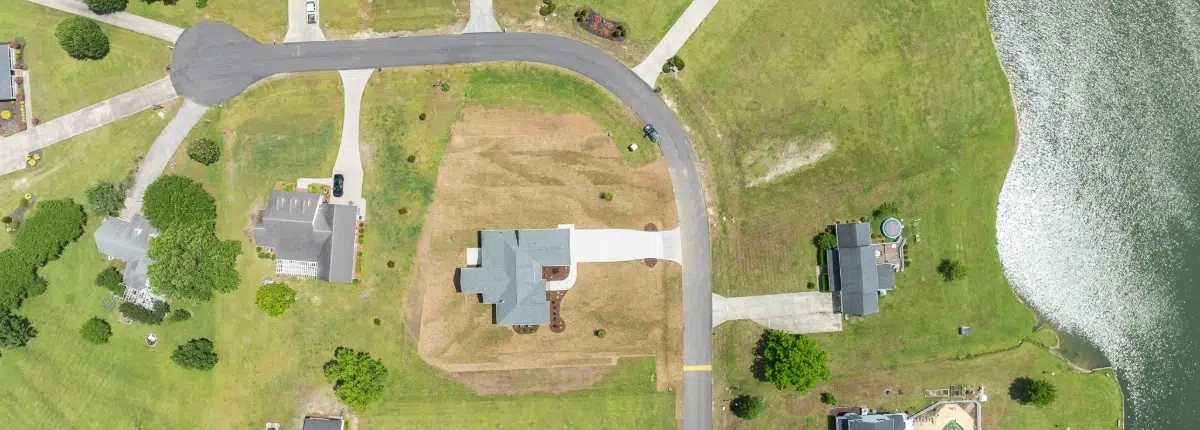
Your Guide to Choosing the Perfect Custom Home Location
Selecting the right homesite is an important step in building your dream home. The location you choose not only affects your daily life but also impacts your property’s long-term value. At Hafsa Building Group, we understand the significance of this decision and are here to guide you through the process.
Be sure to check out our latest homes in North Carolina.

STEP 1: Assessing the Ideal Location and Community
Understand Your Lifestyle Needs
Begin by identifying what aspects of a location are most important to you and your family. Consider factors such as proximity to work, schools, and recreational activities. This initial assessment will help you focus on areas that align with your daily routines and future plans.
Research Community Amenities
Look into the amenities offered by the community, such as parks, pools, fitness centers, and social clubs. These can greatly improve your living experience and provide opportunities for social interaction. Access to these amenities can also increase the value of your homesite.
Evaluate the Neighborhood
Visit potential neighborhoods at different times of the day to get a feel for the environment. Observe traffic patterns, noise levels, and the general atmosphere. A peaceful, friendly neighborhood can contribute significantly to your overall satisfaction with your new home.
Consider Future Development
Investigate any planned developments in the area that could impact the community’s character or your property value. Check local government websites for zoning changes or new projects. Being informed about future changes can help you make a more strategic decision.
Accessibility and Transportation
Assess the accessibility of the location. Consider the ease of commuting to work or school and the availability of public transportation options. Convenient access to major roads and transit can save you time and reduce stress in your daily life.
STEP 2: Considering Size and Terrain
Determine the Ideal Homesite Size
Think about how much outdoor space you need for activities such as gardening, entertaining, or playing. Larger lots offer more flexibility but may require more maintenance. Assess your current and future needs to make sure the homesite size aligns with your lifestyle.
Evaluate Terrain Types
Different terrains offer unique benefits and challenges. Decide if you prefer flat land for easy construction or a sloping site for features like walk-out basements. Consider the impact of the terrain on your home design and outdoor spaces.
Understand Soil and Drainage
Investigate the soil quality and drainage conditions of the homesite. Good soil and proper drainage are essential for the stability of your home and can affect landscaping options. You may want to consult with a professional to assess these factors.
Consider Natural Features
Look for natural features such as trees, water bodies, or hills that can enhance the beauty and privacy of your homesite. These elements can add character to your property but may also come with additional considerations for maintenance and design.
STEP 3: Orientation and Climate Considerations
Sunlight Exposure
Consider how the orientation of your home will affect natural light and energy efficiency. Decide where you want morning or afternoon sun in key living areas, such as the kitchen or living room. Proper orientation can increase comfort and reduce energy costs.
Prevailing Winds
Evaluate how wind patterns might impact outdoor living spaces and energy use in your home. Understanding the direction and intensity of prevailing winds can help you design outdoor areas that are sheltered and comfortable.
Climate Adaptation
Consider the local climate and how it might influence your home’s design and materials. For example, in hotter climates, you might prioritize shaded areas and cooling features, while colder regions may benefit from maximizing sunlight exposure.
Seasonal Changes
Think about how seasonal changes will affect your homesite. Consider factors like leaf fall, snow accumulation, or seasonal flooding, and how they might impact maintenance and accessibility.
STEP 4: Privacy and Views
Maximize Privacy
Look for homesites that offer natural privacy through landscaping or strategic positioning within the community. Features like hedges, fences, or elevation changes can enhance privacy and create a more secluded environment.
Scenic Views
Consider the value of a beautiful view and how it can improve your living experience and property value. A view of mountains, water, or a well-maintained garden can significantly improve your home’s appeal.
Future Developments
Research any potential future developments that could obstruct your view or affect privacy. Understanding local development plans can help you make an informed decision and avoid surprises down the line.
Community Layout
Evaluate the layout of the community to understand how it might impact your privacy and views. Consider the placement of neighboring homes and public spaces.
STEP 5: Infrastructure and Utilities
Check Existing Infrastructure
Confirm that the homesite has access to essential services like water, electricity, and sewage. This can save time and costs during construction and provide peace of mind knowing that these utilities are readily available.
Future Infrastructure Plans
Research any future infrastructure developments that could affect your homesite, such as new roads or utility projects. Being aware of these plans can help you anticipate changes and make informed decisions.
Internet and Connectivity
Consider the availability of high-speed internet and other connectivity services. In today’s digital age, reliable internet access is crucial for work, entertainment, and communication.
Utility Costs
Investigate the cost of utilities in the area, as these can vary significantly and impact your monthly expenses. Understanding these costs upfront can help you budget more effectively.
STEP 6: Zoning and Building Restrictions
Understand Zoning Laws
Familiarize yourself with local zoning regulations that may impact your home design and usage. Zoning laws can dictate what types of structures can be built and how the land can be used, so it’s important that your plans comply.
Review Building Restrictions
Confirm that there are no restrictions that could limit your home-building plans or future property enhancements. This includes height restrictions, setback requirements, and any rules imposed by homeowners’ associations.
Research Permitting Processes
Understand the permitting process required for construction. Knowing the necessary permits and the time it takes to obtain them can help you plan your timeline more effectively.
Consult with Professionals
Work with architects, builders, or legal professionals to handle zoning and building restrictions. Their experience can help you avoid costly mistakes.

HAFSA BUILDING GROUP
Zebulon Office:
877 E Gannon Ave #101,
Zebulon, NC 27597
Mon – Fri: 8:00am – 5:00pm
Sat – Sun: Closed
Tel: 919.372.4121
Raleigh Office:
840 Alexander Promenade Place,
Suite 135A,
Raleigh, NC 27617
Mon – Fri: 8:00am – 5:00pm
Sat – Sun: Closed
Tel: 984.310.8717